The Hidden Compassion of the Three Weeks
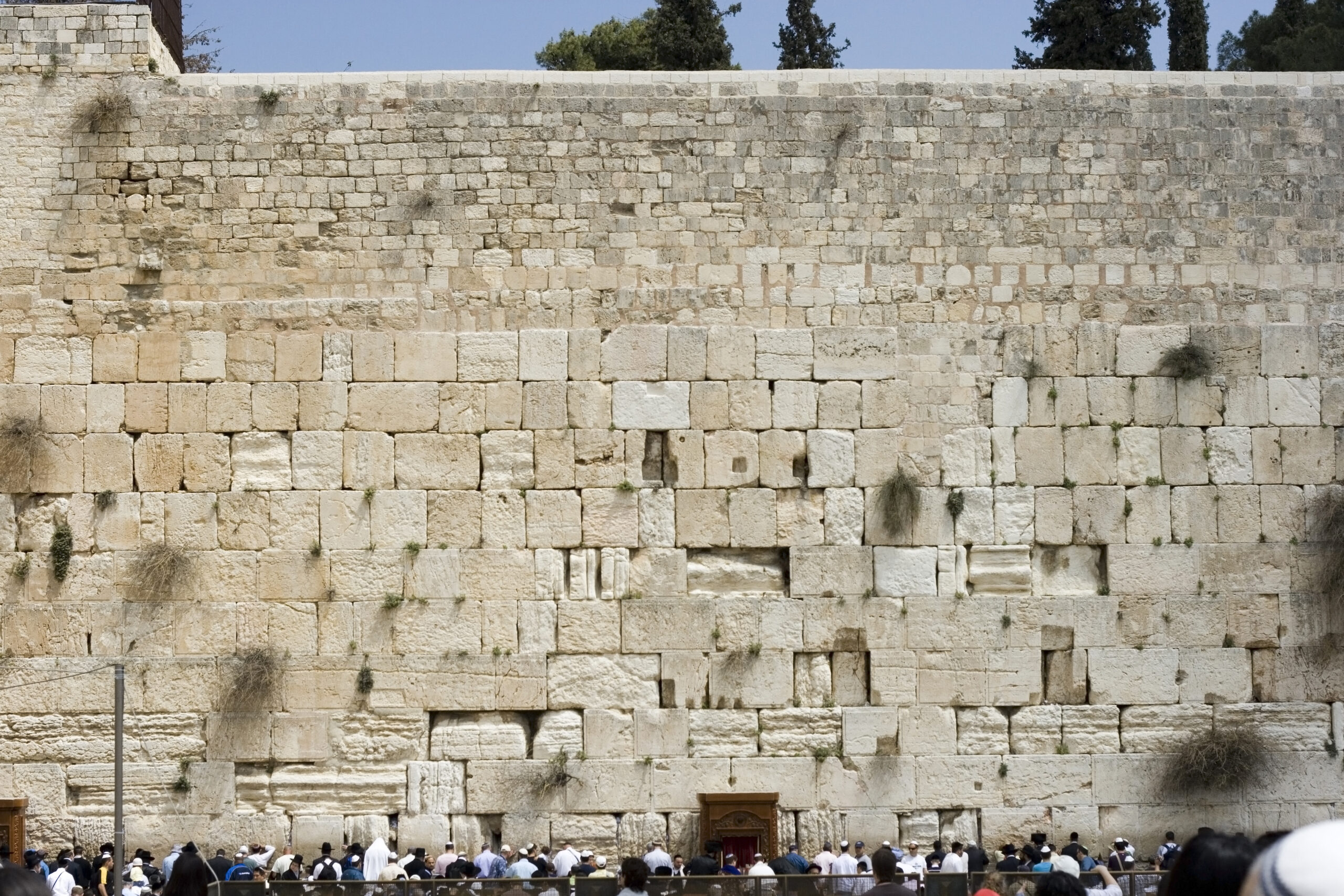
We are approaching the 17th of Tammuz, which begins the Three Weeks, the period of mourning until Tisha b’Av over the destruction of Jerusalem and the Holy Temple.
The Talmud (Taanit 26a) teaches: “On the Seventeenth of Tammuz, five terrible things happened to our ancestors: 1) The Tablets Moshe brought from Heaven were broken; 2) the daily sacrifice was cancelled; 3) the wall of Jerusalem was breached; 4) Afustomus, a Roman general, burned a Torah; and 5) he erected idolatry in the Temple. On the Ninth of Av, five other terrible things happened: 1) The decree was issued that our forefathers would not enter the Land; 2–3) both the First Temple and the Second Temple were destroyed; 4) the city of Beitar was completely destroyed; and 5) the city of Jerusalem was plowed.”
These incidents were the result of years of sins that aroused Divine anger and caused the current exile, in which we still experience similar happenings in our host countries, including modern-day Israel. These incidents established the mourning period of the Three Weeks, during which we fast at its onset, on the 17th of Tammuz, and at its end, on the 9th of Av – 22 days in total.
There are 22 letters in the Hebrew alphabet, indicating that we blemished the 22 letters of the Torah, which requires repentance and rectification from us. The Bnei Yissaschar adds a very beautiful thought to this. It is important to know that there are 13 days in Tammuz and 9 days in Av. The 13 days in Tammuz correspond to the Thirteen Attributes of Mercy, while the 9 days of Av correspond to the Nine Attributes of Compassion (of Zeir Anpin). This teaches us that even in the darkest days of Jewish history and Jewish life, we can find the compassion of HaShem with us, even in the worst of times. This is similar to the Midrash that Mashiach was born on Tisha b’Av at the time of the destruction of the Temple, for HaShem hides His compassion within the suffering.
As Rebbe Nachman teaches (Likutey Moharan II, 62), HaShem’s compassion might come in the form of suffering, for God wishes to remove a person from sin, and so it acts as an atonement. But the Rebbe continues that we do not always see that compassion. Therefore, our request is: “Please give us Your compassion.” That is, we ask You, HaShem, that Your compassion be given to us in a way that we can accept, so that we can understand what true compassion is.
May we merit to receive and understand HaShem’s compassion upon us with the coming of Mashiach and the rebuilding of the Temple, Amen.
- 0 comment