The Blessing of Our Sister
ADAPTED FROM HIS AUDIO SHIURIM ON HALACHAH 39B AND 40A
The blessing at the badeken
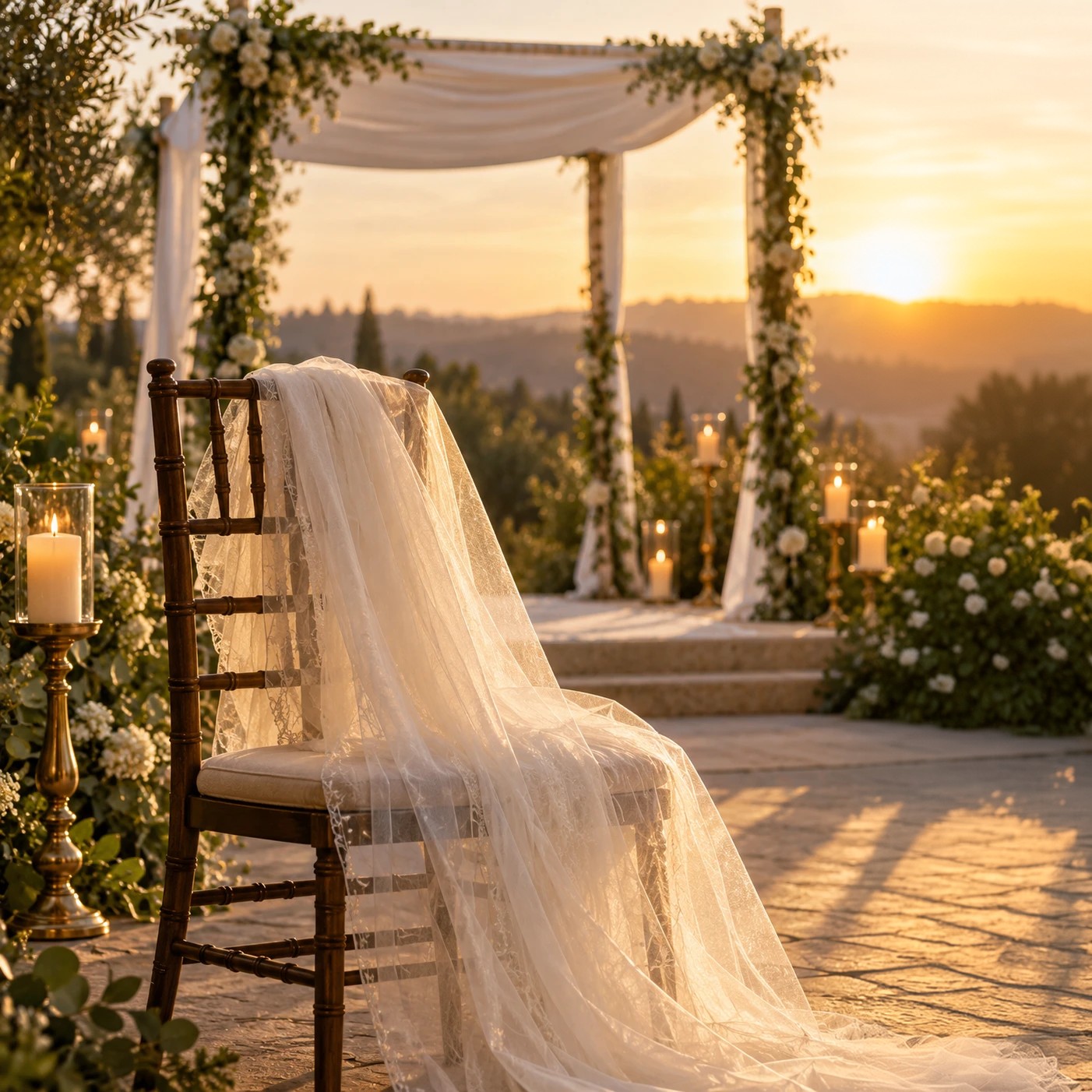
Let us understand what happens at the badeken of the kallah. The chosson is brought to the kallah, and a veil is placed over her face. There is singing, there are people accompanying the chosson, and there is a special brachah. What is this whole ceremony for? Why are these particular words said?
Before she is covered, the chosson first has to see the kallah, to see that this is the one. It should not happen as it did with Yaakov Avinu. He looks, and then the kallah is covered.
Those taking part in the badeken say, “אֲחֹתֵנוּ אַתְּ הֲיִי לְאַלְפֵי רְבָבָה”, “Our sister, may you become thousands of myriads” (Bereishis 24:60). A tremendous brachah, kein ayin hara, to have many children and grandchildren, thousands and tens of thousands.
But these are the words spoken to Rivkah when she was sent away from her home. Lavan said them to his sister. We begin a Jewish wedding with the words of Lavan HaArami, Lavan the rasha! Let us ask two questions.
First, why do we choose this brachah for the kallah? Why begin the wedding with Lavan’s words? What is the pshat here? Why is this particular blessing said?
Second, what did Lavan himself mean by this blessing? The Haggadah tells us, “וְלָבָן בִּקֵּשׁ לַעֲקֹר אֶת הַכֹּל”, “Lavan sought to uproot everything” (Haggadah shel Pesach, Maggid). He wanted to destroy Yaakov and wipe out the Jewish people completely, chas veshalom.
Yet here is Rivkah leaving his home with Eliezer to marry Yitzchak Avinu and become a mother of the Jewish people. Lavan says to her: My sister, multiply to thousands and tens of thousands! The very person who wants to destroy the Jews blesses her that there should be so many Jews. What is the seichel in this? What was Lavan’s reason?
Lavan was a lamdan. He knew how to learn. To understand his intention, we have to understand a Gemara.
The sister of Nachshon
Aharon HaKohen married Elisheva bas Amminadav, a tzaddeikes. The Torah tells us, “וַיִּקַּח אַהֲרֹן אֶת אֱלִישֶׁבַע בַּת עַמִּינָדָב אֲחוֹת נַחְשׁוֹן לוֹ לְאִשָּׁה”, “Aharon took Elisheva, daughter of Amminadav, sister of Nachshon, as his wife” (Shemos 6:23).
Why does the pasuk add that she was the sister of Nachshon? Once we know that she was the daughter of Amminadav, we already know whose sister she was. Why does the Torah have to tell us this again?
The Gemara explains: “הַנּוֹשֵׂא אִשָּׁה צָרִיךְ שֶׁיִּבְדּוֹק בְּאַחֶיהָ”, “One who marries a woman should inquire about her brothers.” It then tells us why: “רוֹב בָּנִים דּוֹמִין לַאֲחֵי הָאֵם”, “Most sons resemble their mother’s brothers” (Bava Basra 110a).
Aharon looked at the brother. Who was he? Nachshon, the one who would later leap into the waters of Yam Suf. That was the kind of brother Elisheva had. This is what the Torah teaches us by adding those words, “the sister of Nachshon.” (Sotah 37a; Bava Basra 110a.)
What Lavan wanted
Now we can understand Lavan. He wanted to make Jews like himself. Knowing this teaching, he said to Rivkah: You are our sister. You should multiply to thousands and tens of thousands, because your children will be like me!
Go ahead, multiply. Have as many as possible. If they take after the brothers of their mother, they will be like Lavan. Then he is satisfied. This was some brachah from Lavan! The words sounded like a blessing, but this was the intention behind them.
We now adopt you as our sister
Now let us return to the badeken. If possible, the chosson is accompanied by the gedolim, by the rabbanim. They bring him to the kallah, and when the veil is placed over her face, they say this brachah. Why should the rabbanim say it? Why do they call her achoseinu, our sister?
Not every kallah has brothers whom she would wish her children to resemble. The gedolim therefore say to her: “We now adopt you as our sister. You, our sister, should multiply to become thousands and tens of thousands like us. We are now your brothers.”
This is the meaning of their brachah. They are chachamim, gedolim, and they bless her that her children should be like them. The same word, achoseinu, which Lavan used with his intention, is now said by the rabbanim with this holy intention.
What is the brachah for? For good children. That is the most important point: to bring about a dor yeshorim u’mevorach, a generation of upright and blessed children. We want to live according to the principles and ideals of Rabbeinu zal, so that our children should be blessed to be holy and pure, following his holy path.
Rebbe Nachman’s Message
We can understand this spiritual relationship more deeply through the bond between a Rebbe and a talmid. The Gemara says that a person who teaches someone Torah, who nourishes him with spiritual food, is considered as though he literally gave birth to that person. (Sanhedrin 19b.)
In the same way, every student is considered part of the Rebbe. If a person has emunah in a tzaddik emes, he becomes like his son, like his flesh and blood.
The Arizal says that in the future world, a person comes to Olam HaBa as a soul. Is there any relationship between souls? Is there a grandparent, a parent and child relationship? How do you tell age there? Souls are ageless.
The Arizal says that the association between relationships of different generations is varied. It is possible for a person to lose his relationship with his relatives and ancestors. A person may be reborn many times and lose the perspective of who the grandfather is or who the grandson is, because the same person is born again to the same family.
But when it comes to a Rebbe and a talmid, the person’s emunah in the tzaddik emes goes through all the ages, right back to Moshe Rabbeinu. That kind of bond remains forever. It is a connection that is eternal and ageless. (Sha’ar HaGilgulim, Introduction 10.)
These are the words of Rabbeinu zal. The main thing is emunah, to believe with simplicity and purity in HaShem and in the tzaddikim amiti’im. In that way, you will be bound together with the tzaddik emes and with the holy Shekhinah. This is done through pure emunah. (Rebbe Nachman’s Soul, Vol. I, Sichah 34, pp. 246-247)
- 0 comment