- History ⬦ Joy ⬦ Read ⬦ Shabbat ⬦ Weekly Torah Portion
The Liaison of Levi
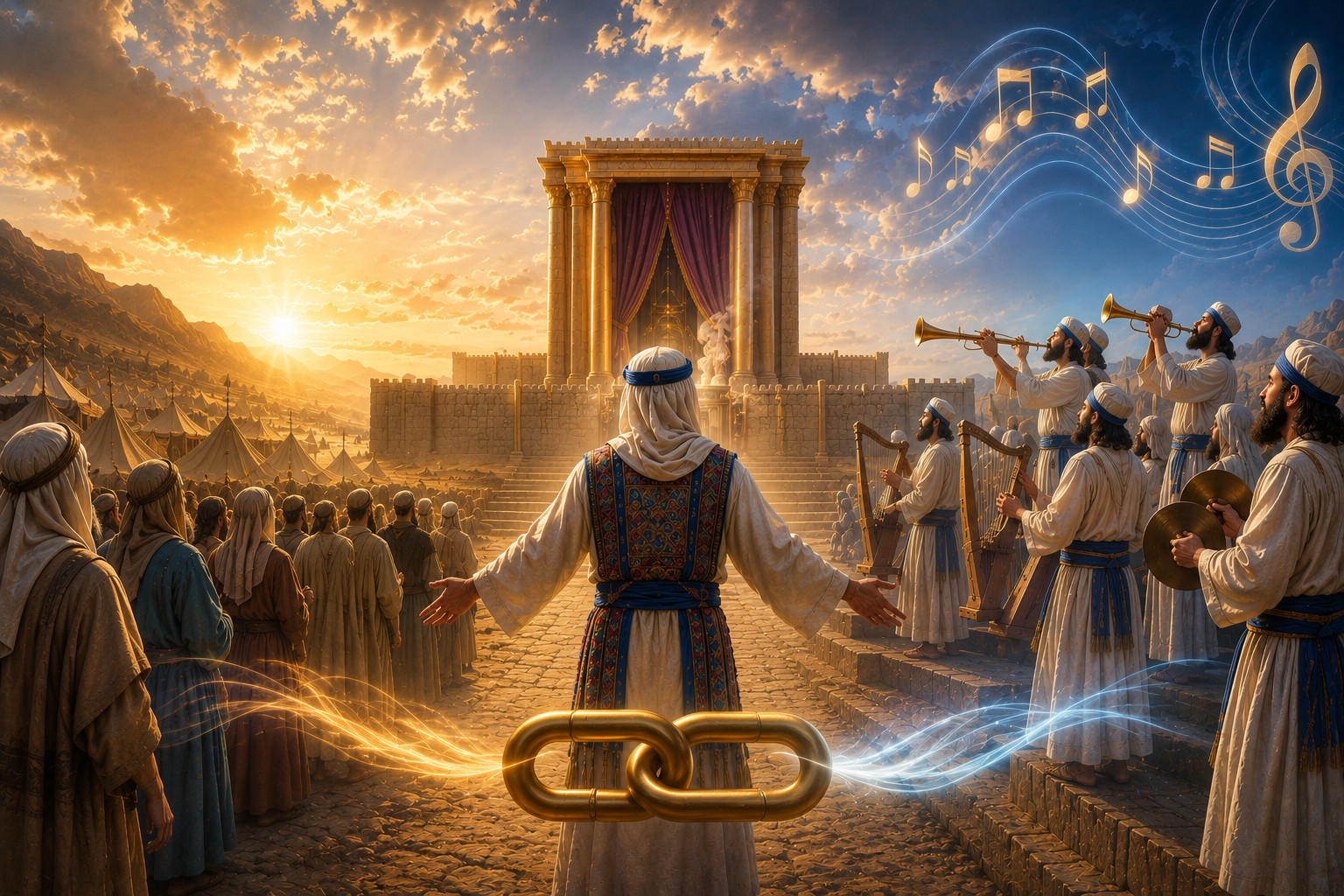
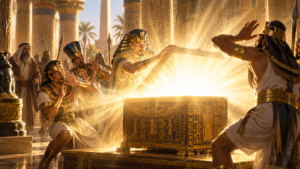
Parshat BaMidbar introduces the unique role of the tribe of Levi. Unlike the rest of Am Yisrael, the Levi’im were separated and appointed to stand between the Jewish people and the Kohanim who served in the Mishkan. Their role was not simply technical assistance. They served as a spiritual boundary, protecting both sides.
The Torah repeatedly emphasizes the severity of entering areas or performing services that were forbidden. A non-Kohen who performed the work of the Kohanim faced severe consequences, and even accidental overstepping could be dangerous. The Levi’im therefore acted as intermediaries. They guarded the sanctity of the Mishkan, ensured that Am Yisrael would not come too close, and simultaneously assisted the Kohanim in their holy service.
The very name “Levi” hints to this mission. Leah named him Levi because “this time my husband will join me” (“yilaveh ishi elai”). The root of the word implies attachment, escorting, and accompaniment. Levi represents connection while also maintaining healthy boundaries.
Reaching and Not Reaching
Rebbe Nachman explains in Likutey Moharan Lesson 24 the concept of “matei v’lo matei” – reaching and not reaching. Spiritual growth is never constant and uninterrupted. A person advances, pulls back, reconnects, and advances again. This movement itself is essential to holiness.
The tribe of Levi embodied this idea. On one hand, they were inside the Temple service and deeply involved with holiness. On the other hand, they themselves had limitations. They could not perform the actual avodah of the Kohanim. They stood precisely in the middle – connected, yet restrained.
This balance protected the sanctity of the Mishkan. The Levi’im guarded the people from overreaching, while also helping preserve the holiness and order required for the Kohanim themselves. Their entire role reflected the principle that closeness to Hashem requires boundaries and structure.
Why the Tribe of Levi Was Chosen
The Midrash explains the verse “motzi asirim bakosharot”—Hashem releases the bound ones in proper ways (kosher ones)—as referring to the tribe of Levi. They remained spiritually faithful even in Egypt. While the Jewish people fell into many pressures of exile, the Levi’im maintained Torah study and dedication to Hashem.
They also remained loyal during the sin of the Golden Calf. When Moshe Rabbeinu declared, “Whoever is for Hashem, come to me,” the entire tribe of Levi gathered around him. Because of this loyalty, they were chosen to replace the firstborn in the service of the Mishkan.
The Levi’im therefore became the “kosher” tribe through whom holiness could safely flow to the rest of Am Yisrael and bring forth their redemption. Their mission was to maintain spiritual balance and connection.
Joy, holy music, and the ability to endure the ups and downs of life are the foundations of marriage, relationships, and spiritual life
The Secret of the Levi’im and Music
The Gemara explains that the Levi’im possessed the secrets of music. Their songs in the Beit HaMikdash were not entertainment or artistic performance alone. The music carried profound spiritual wisdom and was designed to awaken joy and connection to Hashem.
While the Kohanim offered the sacrifices and Am Yisrael brought their korbanot, the Levi’im stood on the duchan singing and playing music. Their melodies helped bridge the gap between finite human beings and the Infinite Light of Hashem. Music became the “connector” between heaven and earth.
Rebbe Nachman teaches that true simcha allows a person to survive the fluctuations of life. A person experiences ups and downs, closeness and distance, but holy music helps him remain connected through both. The Levi’im embodied this exact ability – to maintain joy and connection while navigating “in and out.”
Levi and the Secret of Marriage
The Midrash astonishingly begins its discussion of “motzi asirim bakosharot” with the topic of marriage. It tells the famous story of a Roman noblewoman who mocked the idea that Hashem spends His time making matches. She attempted to pair up a thousand servants and maidservants herself, only to discover the next day that chaos erupted among them. She finally admitted that only the God of Israel could truly unite two [opposite] people.
The Midrash then connects this idea directly to Levi.
Marriage joins two completely different personalities, backgrounds, and emotional worlds. Human effort alone cannot sustain such a union. The true force that binds husband and wife is the spiritual power represented by Levi – the power of connection through harmony, joy, and balance.
Levi represents the ability to remain connected despite differences, fluctuations, and emotional distance. Just as the Levi’im stood between Am Yisrael and the Mishkan, marriage also requires healthy boundaries, movement, patience, and the ability to reconnect after periods of distance.
Music and simcha are central to this process. Holy music softens rigidity, restores joy, and helps people reconnect to one another and to Hashem. The Levi’im therefore symbolize the hidden spiritual force that allows relationships to endure.
The Joy That Keeps Everything Connected
Rebbe Nachman teaches that the key to simcha is maintaining stability through both closeness and distance. Life constantly moves between moments of inspiration and moments of concealment. The Levi’im taught Am Yisrael how to remain connected during both.
Their music reminded people that even when they feel distant, they are still connected to Hashem. This is the secret of “matei v’lo matei” – reaching and not reaching. A person may feel spiritually close one day and far away the next, yet the connection itself remains alive.
This is also the foundation of marriage, relationships, and spiritual life altogether. Joy, holy music, and the ability to endure the ups and downs of life create the possibility for lasting connection.
May we learn from the tribe of Levi how to maintain simcha and connection to Hashem through every stage of life, and may the light of the Levi’im continue to awaken Am Yisrael to true closeness with Hashem.
Shabbat Shalom.
Meir Elkabas
- 0 comment